

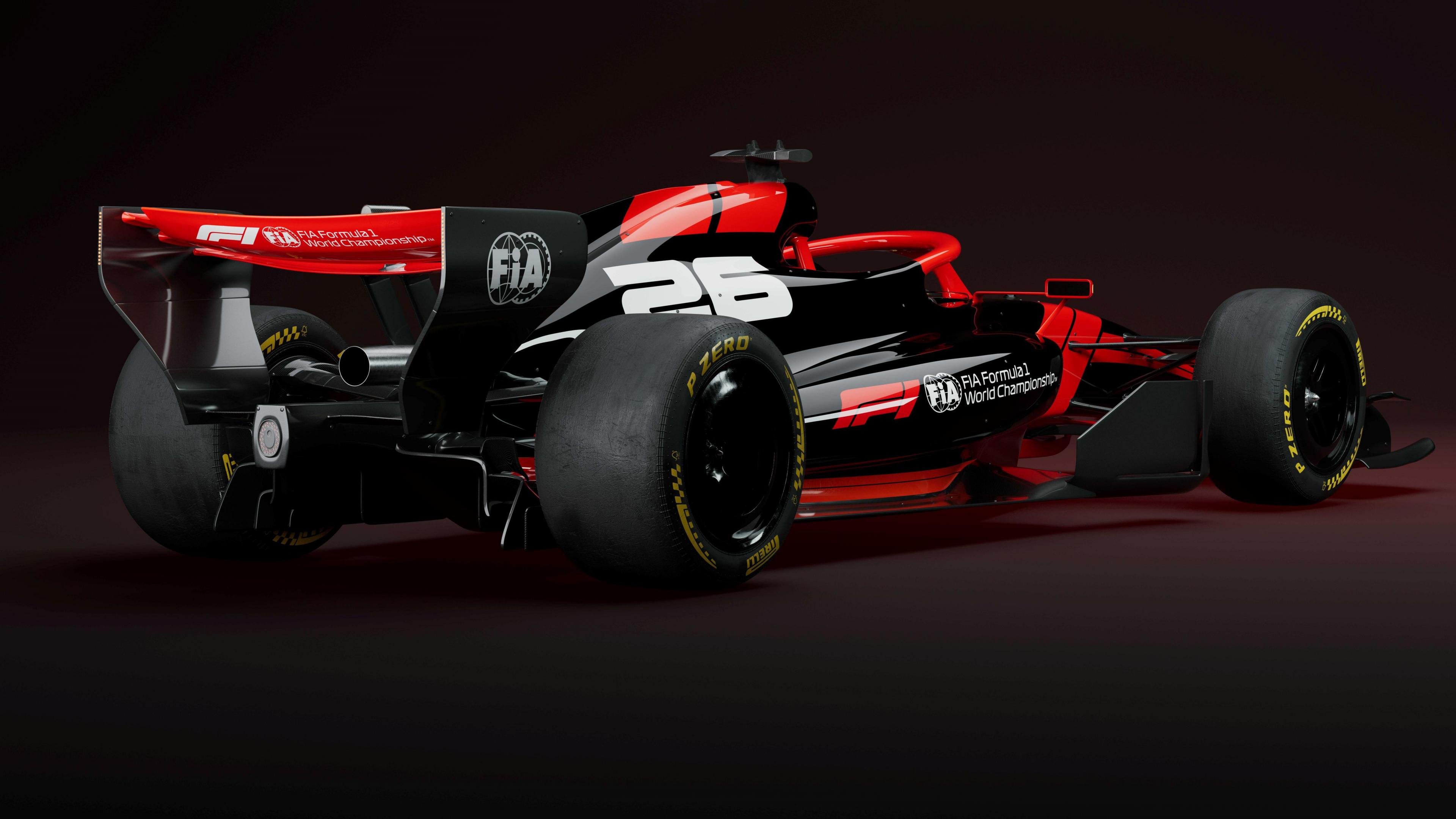
The 2026 Formula 1 cars are set to be smaller, nimbler and more environmentally friendly than this year.
F1 has introduced the official terminology that will be used to explain the technical complexities of its upcoming 2026 rulebook.
The racing series is introducing what is arguably the largest technical shift in its competitive history for the 2026 campaign, featuring new chassis and engine rules and the required adoption of fully sustainable fuels.
The new power units, which keep the 1.6-litre V6 turbo hybrid, boast a significantly increased energy storage, driving major innovations in the vehicles' aerodynamic design.
During grand prix events, pilots will tactically deploy electrical energy – potentially on qualifying laps – to secure the optimal lap time.
Wide-ranging research were carried out with a wide range of fans, including dedicated enthusiasts and casual observers, to determine which phrases would aid comprehension of the key features of the upcoming rules.
The stated goal was to render a range of advanced features of the sport as straightforward as possible for the global fanbase.
Consequently, initial designations for specific components – such as "x-mode and z-mode" for the active aerodynamics – have been discarded in favor of straightforward terms that directly explain the primary purpose of the innovation.
Exploring the New Tech
The FIA states that competitors will have more power to determine tactics regarding battery management, energy recovery, and conservation.
The 2026 rules mandate a series of modes that will be shown on television graphics to improve the viewers' comprehension of the race battle.
- Passing Mode: This takes over from the current DRS. It provides a short boost of battery power deployable when a car is within one second the car ahead to execute an pass.
- Power Mode: This is a on-demand energy deployment from the energy recovery system that can be deployed for attack or defence. It grants the pilot peak output at the push of a button.
Both of these crucial modes will have to be managed carefully, as the total energy is strictly limited.
- Adjustable Aero: Both the car's wings adjust their angles – opening on the long straight sections for low aerodynamic resistance and higher speed, and angling down in the corners for maximum downforce.
- Battery Recharge: Drivers can replenish their battery with regenerative braking, or during throttle lift at the conclusion of a straight or in corners where only reduced throttle is applied.
What's Changing on the Cars?
The vehicles for the new era will be smaller and lighter than this year, with a distance between axles shortened by 200mm to 3,400mm, car width reduced by 100mm – down to 1,900mm – and the car weight lowered by 30kg.
Overall downforce is expected to drop by approximately 15-30%, although teams will undoubtedly recover some as they optimize their packages.
Drag has been reduced by 40%. The vehicles will feature moveable wing elements – front and rear wings will adjust on the straights to improve speed and enhance velocity and revert into place for optimal grip in corners.
Tyres will keep 18-inch wheel rims, but the tyres themselves will be reduced in width, by 25mm at the front and three centimetres on the rear.
What's Changing in the Engines?
The 2026 engines will have an approximate 50-50 split in horsepower generated by the internal combustion engine and the ERS, increasing from about 20% battery contribution under present rules.
The energy recovery system is made less complex through the removal of the MGU-H, the complicated and costly unit that generated electricity from the turbo.
Every car on the grid will be required to run on carbon-neutral fuel, produced using biomass or synthetic production methods.


